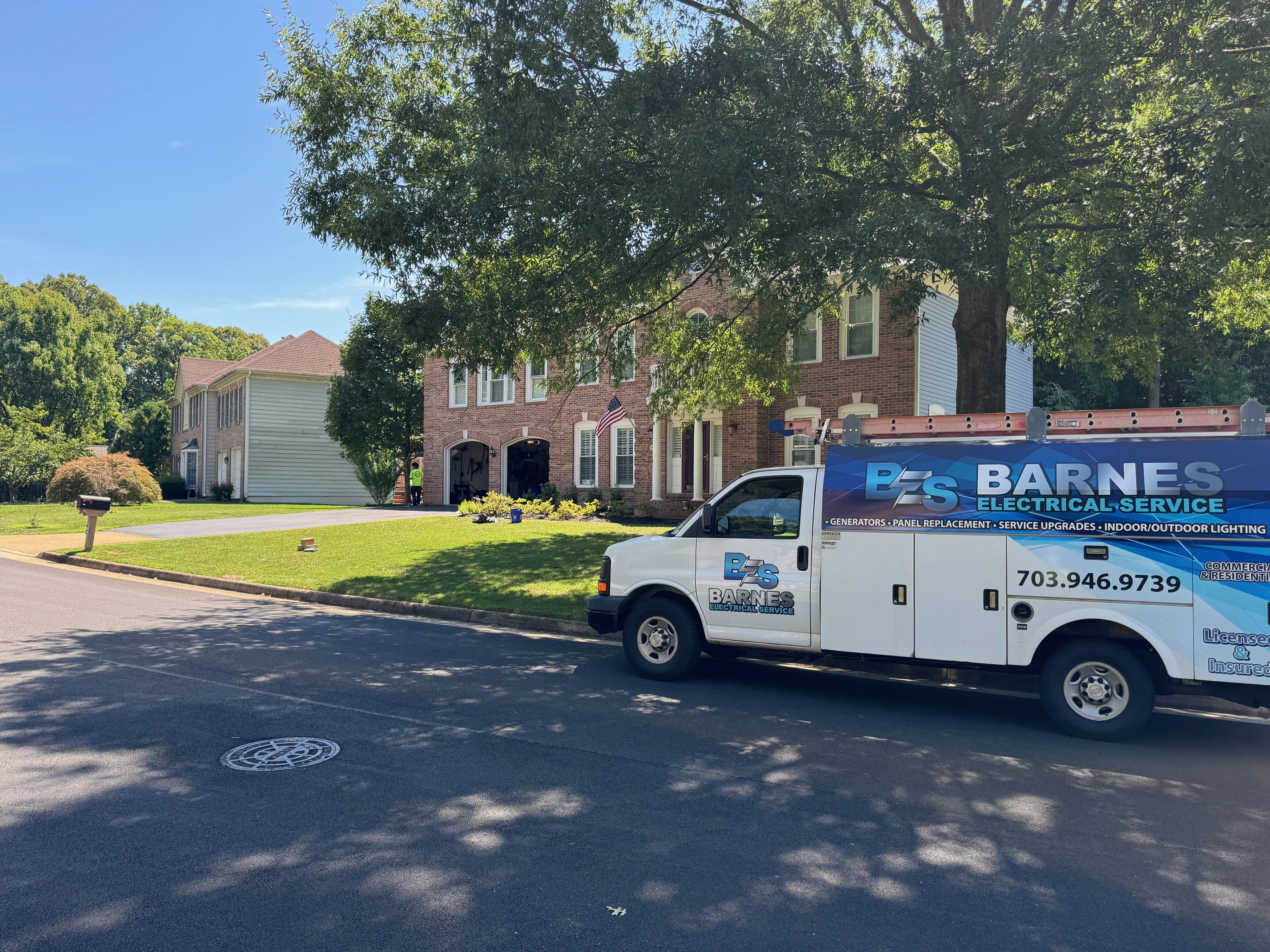
Understanding the Basics of Home EV Charger Installations Feb 17, 2026
Electric vehicles have surged into the mainstream partly due to advancements in clean technology and the enticing prospect of reducing one's carbon footprint. However, maximizing the benefits of owning an EV often hinges on having convenient access to a home charging station. But how do you go about installing one, and what should you know beforehand?
Firstly, it's crucial to understand the types of home EV chargers available. Generally, they fall into Level 1 and Level 2 categories. Level 1 chargers can be plugged into a standard household outlet and don’t require any special wiring. However, they are slower, providing only about 2 to 5 miles of range per hour of charging. On the other hand, Level 2 chargers need a 240-volt outlet, similar to what you may use for a dryer, and can replenish 10 to 60 miles of range per hour, significantly reducing charging times.
Before proceeding with installation, you need to assess the electrical capacity of your home. Since Level 2 chargers require more power, homes with older electrical systems might need panel upgrades or additional circuit installations to handle the extra load. Consulting with a professional electrician, like those at Barnes Electrical Service, can help you determine if your home’s current setup can accommodate the addition of a home EV charger.
Safety should always be a foremost concern. An experienced electrician can ensure proper installation and compliance with local electrical codes and regulations. Incorrect installations can not only damage your vehicle’s battery but also pose safety risks, including electrical fires. Choosing a certified professional helps provide peace of mind and ensures that the job is done correctly.
Cost is another factor to consider. Installing a Level 1 charger is relatively inexpensive, often not requiring special equipment beyond the purchase of a charging cord. Meanwhile, Level 2 installations can be pricier due to the need for a special charging unit and possible upgrades to your home’s electrical system. Although the upfront costs are higher, many EV owners find the investment worthwhile due to the convenient and quicker charging times offered by Level 2 chargers.
For those seeking more smart features, some modern EV chargers come equipped with Wi-Fi connectivity, allowing you to monitor and manage charging sessions remotely through a mobile application. These smart chargers might even let you take advantage of off-peak electricity rates, further reducing the cost of charging your vehicle.
Finally, consider the logistics of where to install your charger. Ideally, you want a location that’s accessible to your vehicle while being protected from harsh weather conditions. Weatherproof garage installations are a popular choice among many homeowners.
In conclusion, understanding the basics of home EV charger installations involves acknowledging your needs, assessing your home's electrical capacity, considering safety, and evaluating costs. At Barnes Electrical Service, we prioritize helping customers transition smoothly into the EV lifestyle by providing expert guidance and reliable installation services. Whether upgrading an old system or adding new capabilities, we strive to make your home EV charger installation process hassle-free and efficient, ensuring your EV experience is as enjoyable and convenient as possible.
/filters:no_upscale()/filters:format(webp)/media/9a9f275a-1184-4d88-b56a-9b747c4b5049.jpeg)