The Evolution of Home Electrical Systems: From Traditional to Cutting-Edge Solutions Apr 14, 2026
To understand where we stand today, it's essential to reflect on where we started. In the early days, home electrical systems were starkly simple. Homes relied on basic wiring for low-voltage lighting and minor electrical appliances. Typically, these systems consisted of a few circuits serving centralized fixtures, with limited capacity to support diverse and numerous appliances.
As technology advanced, so did consumer expectations. The mid-20th century saw a surge in the popularity of electrical appliances, from refrigerators to air conditioners. With this shift, the standard household electrical capacity expanded from the rudimentary 30-amp systems to the now common 100-amp panels, capable of handling the increasing load without frequent overloads.
However, today's electrical requirements dwarf even those mid-20th-century standards. Modern homes integrate a wide array of digital devices, smart technology, and energy-saving appliances. The introduction of electric vehicles and alternative energy sources, such as solar panels, demands robust home electrical systems that not only support higher loads but also integrate seamlessly with diverse energy sources.
This is where cutting-edge electrical solutions come into play. The concept of the smart home illustrates how deeply technology is embedded in our daily lives. Advanced electrical systems now incorporate elements such as home automation, allowing homeowners to control lighting, security, and climate settings at the touch of a button or even through voice commands. These systems require sophisticated wiring networks and smart panels that can effectively support the load without affecting performance.
Moreover, safety remains a paramount concern in evolving electrical systems. Starting from installing ground fault circuit interrupters (GFCIs) to adopting arc-fault circuit interrupters (AFCIs), electrical safety technology has dramatically improved. These devices help prevent accidents by automatically cutting power when a fault is detected, providing peace of mind as electrical demands grow.
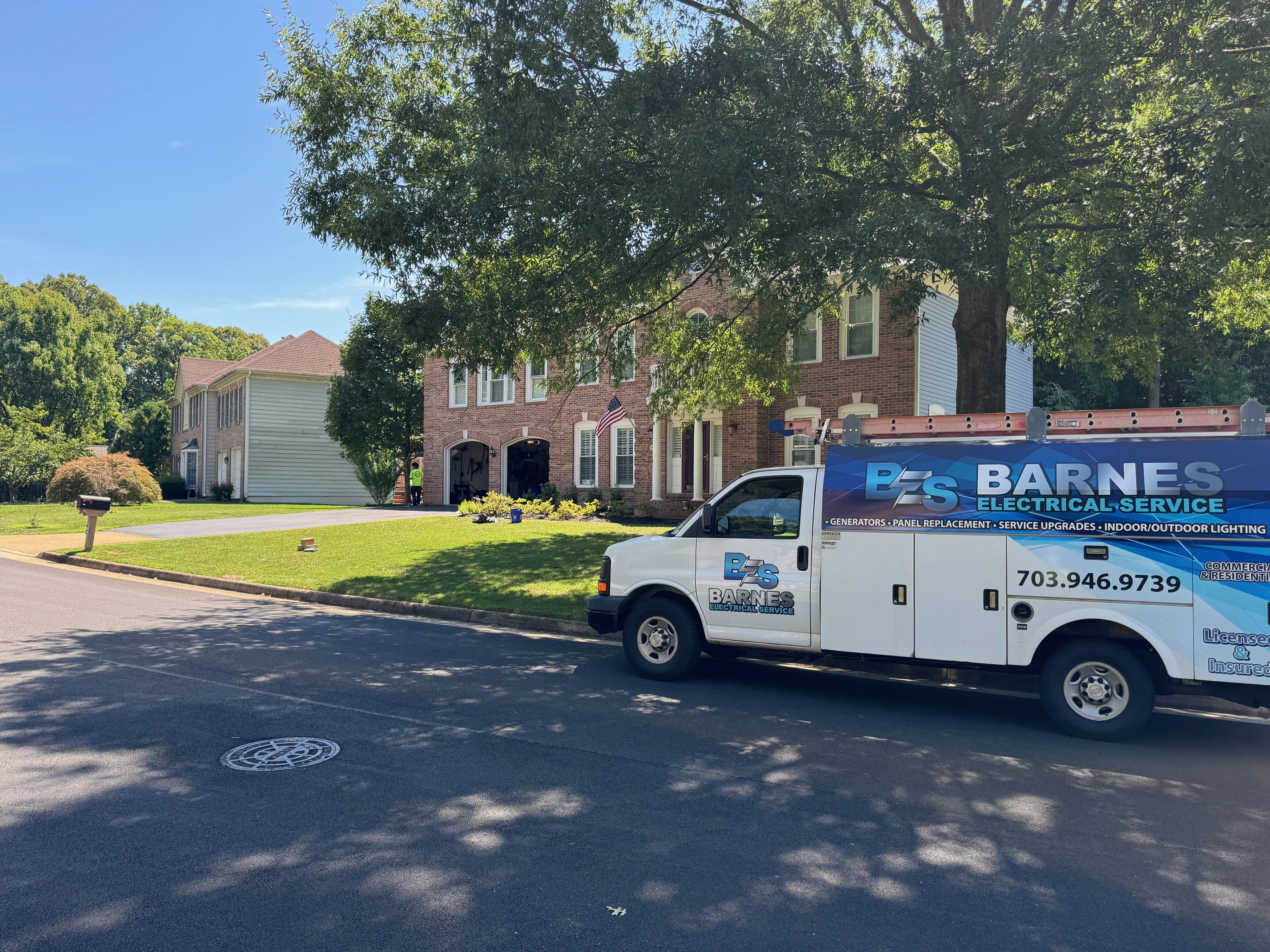
Barnes Electrical Service understands the essential role that modern electrical systems play in enhancing home safety and functionality. As technology continues to advance, homeowners are increasingly looking for solutions that are both energy-efficient and sustainable. Energy-efficient options such as LED lighting, smart thermostats, and energy management systems are now integral to the modern electrical ecosystem.
In conclusion, the evolution of home electrical systems from simple circuits to comprehensive, technologically advanced networks is a testament to human ingenuity and the constant drive for improvement. With experts like Barnes Electrical Service at the forefront, homeowners can confidently adapt to these changes, ensuring their homes are future-ready and capable of accommodating tomorrow's innovations.
Understanding and staying ahead in this evolving landscape guarantees that you can enjoy modern conveniences with energy efficiency and safety. Investing in contemporary electrical solutions not only enhances everyday life but also adds significant value to your home. As we look ahead, adaptability, efficiency, and sustainability will continue to drive the evolution of home electrical systems, pushing boundaries and offering exciting opportunities for even more advancements.
/filters:no_upscale()/filters:format(webp)/media/9a9f275a-1184-4d88-b56a-9b747c4b5049.jpeg)